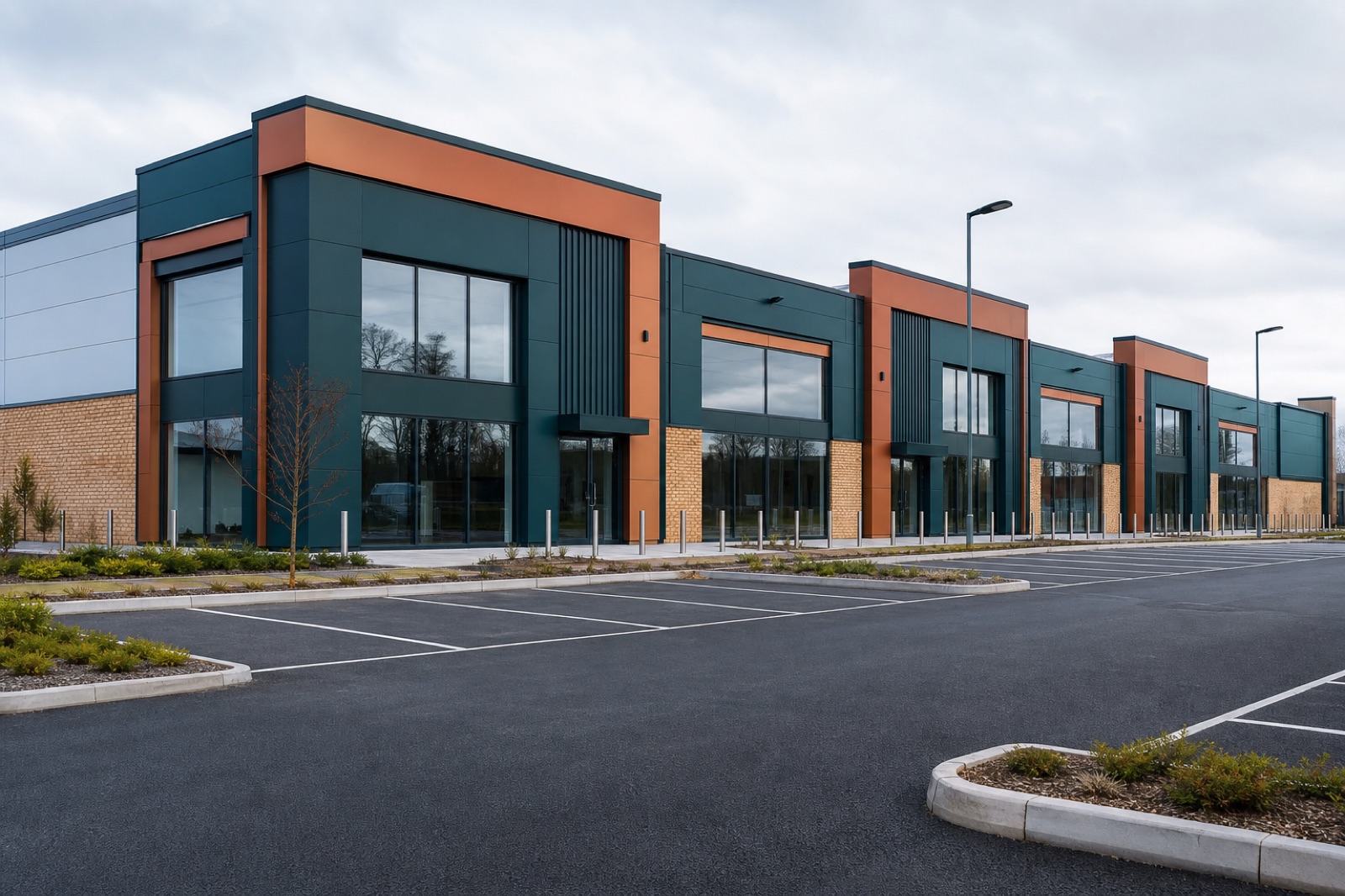
Retail and shopping stabilisation finance: funding re-leasing to a stabilised income
We arrange stabilisation finance for owners repositioning a shopping centre or retail-warehouse scheme through re-leasing to a stabilised income. Repositioned retail needs a leasing and asset-management runway to prove stabilised income before it qualifies for long-term debt, so stabilisation finance funds the bridge from acquisition or completion through re-leasing to a refinanceable income. This is finance against the scheme and its income, not a regulated mortgage on a home.

Stabilising retail
Retail property, at the scale we finance, spans shopping centres, retail-warehouse parks and foodstores, valued on the income they produce once let to a stable tenant mix rather than on day-one bricks and mortar. A scheme bought to reposition, or one emerging from refurbishment, often carries vacancy and lease events that must be worked through before the income stabilises. That asset-management runway is where the financing risk sits, and stabilisation finance funds it.
Stabilisation finance for retail is the facility that funds a scheme through re-leasing to a stabilised income. Repositioned shopping centres and retail-warehouse schemes need a leasing and asset-management runway to prove stabilised income before they qualify for long-term debt, so the bridge funds the period from acquisition or completion through re-leasing to a refinanceable income. It sits after acquisition or development debt and before a senior investment term loan or a sale.
Lenders underwrite a retail stabilisation loan on the scheme's location and catchment, the tenant mix and covenant, the asset-management plan and the credibility of the exit, then size loan to value during re-leasing and test the debt yield and interest cover the emerging rent roll supports. They distinguish retail-warehouse and foodstore income, which has proved resilient, from weaker secondary shopping-centre exposure. Prime shopping-centre net initial yields sit at 6.2%, with prime retail-warehouse parks at 5.25 to 5.50% and foodstores at 5.75% (Savills, Q3 2025; Knight Frank, Jan 2026), anchoring the stabilised valuation re-leasing is working toward.
We present the scheme, the asset-management plan and the leasing evidence so stabilisation lenders can price the bridge, then structure the route onto investment term debt or a sale. The retail capital market has regained its footing, with retail parks leading activity, shopping centres among the top performers for 2025, occupier rental growth of 2.9% in 2025 (Knight Frank) and national vacancy at 13.5%, the lowest since 2018 (Knight Frank, Q3 2025); total UK retail investment was forecast at £5.83bn for 2025 (Knight Frank). That recovering market supports the exit for a re-leased, stabilised scheme.
What we fund
- Shopping centres bought to reposition through re-leasing
- Retail-warehouse parks letting vacant or reconfigured units
- Foodstore-anchored schemes stabilising income
- Schemes working through lease events and tenant change
- Refurbished retail re-establishing a stable tenant mix
- Stabilised, well-let retail refinancing onto investment debt
Indicative terms
- Loan to value (re-leasing)Indicative ~60 to 70% during the runway
- TermShort-dated, through the asset-management runway
- Debt yieldTested against the emerging rent roll
- Interest coverSized on net rent as units re-let
- Day-one to stabilisedBridge priced on the re-leasing value gap
- Key testsCatchment, tenant mix, covenant, plan, exit
- ExitInvestment term refinance or sale once stabilised
Indicative only. Terms vary by lender, asset and scheme and are not an offer of finance.
How we arrange a retail stabilisation bridge
We arrange the retail stabilisation bridge around the re-leasing and asset-management runway and pre-agree the exit. For a scheme bought to reposition, or one emerging from refurbishment, we place a short-dated facility, indicatively around 60 to 70% of value during re-leasing, that funds the asset while vacancy is let and the tenant mix is rebuilt. Because rental cash flow is interrupted while units sit empty between lettings, interest is often rolled so debt service does not outrun the scheme's cash flow during the runway. Where acquisition or development debt is maturing before the income stabilises, we refinance onto a stabilisation loan that funds the leasing runway rather than forcing a sale at a distressed value. We size against the debt yield and interest cover the emerging rent roll supports, distinguish resilient retail-warehouse and foodstore income from weaker secondary exposure, and structure the route onto a senior investment term loan or a sale. We frame every figure as indicative and never as an offer; the terms depend on the catchment, the tenant mix and the exit.
What lenders assess on a retail scheme mid re-leasing
Lenders underwrite a retail stabilisation loan on the location and catchment, the tenant mix and covenant strength, the asset-management plan and the credibility of the exit, then size loan to value during re-leasing and test the debt yield and interest cover the emerging rent roll supports. They differentiate sharply by sub-sector: retail-warehouse parks and foodstore-anchored schemes have proved resilient and attract keener appetite, while weaker secondary shopping-centre exposure carries more re-leasing risk. Specialist commercial bridging and stabilisation lenders, debt funds and challenger banks compete here, with the cheapest term debt arriving once the income stabilises. As a broker with no exclusive tie, we present the scheme and the asset-management plan to the lenders most comfortable with the relevant retail sub-sector rather than steering every case to one name.
From a stabilised tenant mix to long-term debt or a sale
A retail stabilisation loan is repaid once the scheme is re-leased to a stable tenant mix and the income is proven, at which point a stabilised valuation supports a senior investment term loan or a sale. Prime shopping-centre net initial yields sit at 6.2%, with prime retail-warehouse parks at 5.25 to 5.50% and foodstores at 5.75% (Savills, Q3 2025; Knight Frank, Jan 2026), so a re-leased scheme converts a vacancy-affected day-one value into a materially higher stabilised value. The retail capital market has regained its footing, with retail parks leading activity, occupier rental growth of 2.9% in 2025 (Knight Frank) and national vacancy at 13.5%, the lowest since 2018 (Knight Frank, Q3 2025); total UK retail investment was forecast at £5.83bn for 2025 (Knight Frank). For a stabilisation lender, that recovering market gives a re-leased scheme a clear refinance or sale exit.
Finance that suits this asset class
- Stabilisation bridge financeFunds a repositioned retail scheme through re-leasing to a stabilised income.
- Refurbishment-to-stabilisation financeFunds the works and the re-leasing that follows in one structured route.
- Cash-out refinanceReleases equity from a stabilised, re-leased scheme for the next project.
- Bridge-to-term financeStructures the route from the re-leasing bridge onto an investment term loan.
- Senior investment term loansLong-term debt on the stabilised, well-let scheme.
Stabilising retail?
A view on fundability within one working day.
Frequently asked questions
What is retail stabilisation finance?
Retail stabilisation finance is a short-dated facility that funds a shopping centre or retail-warehouse scheme through re-leasing to a stabilised income. A repositioned or refurbished scheme carries vacancy and lease events that must be worked through, so the bridge funds the asset-management runway from acquisition or completion until a stabilised income supports long-term debt or a sale. It is finance against the scheme and its income, not a regulated home loan.
How does retail property finance work?
It follows the lifecycle: acquisition or development debt funds the scheme, a stabilisation bridge funds re-leasing through the asset-management runway, and a senior investment term loan or a sale takes out the bridge once the income stabilises. We arrange the stabilisation leg, sizing loan to value, debt yield and interest cover against the emerging rent roll, distinguishing resilient retail-warehouse and foodstore income from weaker secondary exposure, and pre-agreeing the exit.
Is retail property a good investment to finance?
The retail capital market has regained its footing, with retail parks leading activity, shopping centres among the top performers for 2025, occupier rental growth of 2.9% (Knight Frank, 2025) and national vacancy at 13.5%, the lowest since 2018 (Knight Frank, Q3 2025). Prime retail-warehouse parks trade at 5.25 to 5.50% and shopping centres at 6.2% (Knight Frank, Jan 2026; Savills, Q3 2025). Returns turn on catchment, tenant mix and price; we arrange the finance but do not give investment advice.
Is it hard to get a mortgage on a retail property?
It depends heavily on the sub-sector and the income position. A well-let retail-warehouse park or foodstore-anchored scheme with strong covenants is readily financed, while a part-let or secondary shopping centre mid-reposition needs stabilisation finance to fund the re-leasing runway before it qualifies for long-term debt. We size the bridge on the catchment, tenant mix and exit, and run the lenders most comfortable with the relevant retail sub-sector.
Can you buy retail property with a 10% deposit?
Generally no. Commercial and stabilisation lending on retail is sized against value and income, with stabilisation leverage during re-leasing commonly indicative of around 60 to 70% of value depending on the scheme, the tenant mix and the exit, so the sponsor contributes a substantial equity share. Lenders size against the debt yield and interest cover the rent roll supports. We frame leverage as indicative only and never as an offer.
When is a retail scheme stabilised?
A retail scheme is treated as stabilised once it is re-leased to a stable tenant mix at market terms and the income is proven rather than forecast, the point at which a valuer capitalises the income and a long-term lender refinances the stabilisation bridge. With prime retail-warehouse parks at 5.25 to 5.50% and shopping centres at 6.2% (Knight Frank, Jan 2026; Savills, Q3 2025), reaching a stabilised, well-let position is what makes the scheme refinanceable.
Is retail stabilisation finance a bridging loan?
Yes, it is a specialist commercial bridging loan written for the re-leasing and asset-management runway of a retail scheme. It is short-dated and repaid from a defined exit, but the exit is a re-leased, stabilised income and an investment term refinance or sale rather than a quick resale. We place the bridge against the scheme and its emerging rent roll, often rolling interest while units sit empty, then route it onto senior term debt once the tenant mix stabilises. We are a broker, not a lender, and frame every figure as indicative and never as an offer.
Stabilising retail?
Tell us about the asset and the income plan and we will come back with a view on fundability and likely terms.